
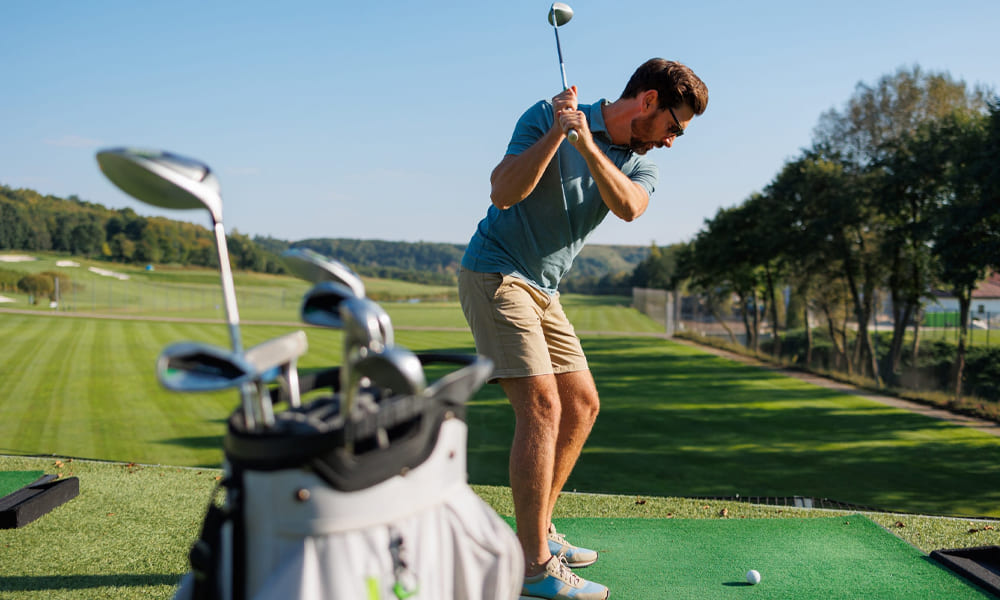
In a majority of the cases, it is noted that golf is a game that is generally discovered during the later phases of people’s lives. But you’ll be amazed to know that many professional and renowned golfers first held the golf club when they were children.
When you introduce your child to golf early in their life, you’re not just giving them an understanding of the basics, you’re offering much more than that. You help them develop physical coordination, social skills, patience, discipline, and self-confidence, while ensuring that they have all the fun they want.
This is a rewarding activity that they are ought to enjoy for the rest of their lives. If you’re a parent, who’s actively looking for activities that combine outdoor recreation, skill development, and personal growth, golf lessons can be a beneficial choice. The game becomes far more engaging, interactive, and enjoyable rather than intimidating, if the lessons are planned for younger generation.
Why Starting Golf Early Matters
The adaptation and learning capabilities of children is high. With bodies and minds that are developing constantly, children are more suited to acquiring new skills. Thus, early childhood is the ideal time for introducing golf.
Some sports rely heavily on strength and size, but golf is more about technique, coordination, balance, and focus. All the qualities necessary to excel in golf can be developed gradually over time. This allows young players to progress at a comfortable pace.
When a child starts early, he or she has ample time to build familiarity with the game. Along with their skills, their understanding of strategy, sportsmanship, and personal improvement also develops naturally, as they grow. Besides, learning to play golf during childhood can help in developing strong habits that last throughout adulthood as well.
Building Physical Skills Through Golf
Unlike many other sports, golf seems to be physically less demanding, but there’s no denying that there’re a wide range of physical abilities that a person must develop to successfully play golf.
Some key skills that young players need to develop include:
Balance and Stability
Controlled movement and stable positioning are prerequisites for a proper golf swing. Children can learn how to maintain their balance and coordinate different parts of their bodies at the same time.
Hand-Eye Coordination
A child can immensely improve their hand-eye coordination by learning how to hit the golf ball accurately. With this skill, a child can perform better in other sports and everyday activities as well.
Flexibility and Mobility
Golf swings generally involve rotation, movement, and flexibility. Appropriate physical movement is encouraged, when you’re constantly practicing these movements.
Motor Skill Development
Precision and control are two ingredients of success in golf. A better coordination of larger body motions and management of small movements is facilitated in the case of children.
Regular participation and practice can help in developing these physical benefits naturally, which is an important area altogether.
Golf Encourages Mental Growth
Golf challenges your child’s mind as much as their body, and this is precisely one of the key reasons many parents appreciate the game as well. With every shot requiring concentration, decision-making, and patience, young golfers see a massive growth. They understand from the start itself that success comes from thoughtful planning and not from rushing.
Improved Focus
Children are compelled to pay attention to details when they play golf, while following instructions and remaining engaged throughout a lesson or a round.
Problem-Solving Skills
With each hole, your child is set to face different challenges. As players learn to evaluate situations and make decisions based on distance, obstacles, and conditions, mental growth is inevitable.
Patience and Persistence
Golf helps a child develop a positive attitude, learn from their mistakes and continue improving. This is a key area that helps in constant development of mental resilience and abilities.
Goal Setting
Working towards measurable goals, young golfers can attain significant progress. Such goals can include improving their swing, lowering scores, or even mastering a new technique.
With such experiences, children can develop a growth mindset, which benefits them in the long run. Such benefits span across a wide area, both on and off the court.
Confidence Grows One Shot at a Time
One valuable thing that children can gain from their golf lessons is confidence. This is immensely valuable and can be one of the defining features of their adulthood as well. With the game rewarding efforts and patience, direct results of hard work is clearly visible, as children improve their game.
With this, a sense of accomplishment is created, which helps in strengthening self-esteem as well. whether a child successfully hits a long drive, make a difficult put, or simply improve their technique, confidence is instilled and reinforced with each achievement of a child.
Besides, one important learning from golf is mistakes are common when a person is learning. This is a beneficial lesson for children, which helps them embrace constant progress and celebrate their improvements. This is an appropriate perspective that these children will carry to other walks of life like schools, hobbies, and other activities as well.
Learning Sportsmanship and Respect
Etiquette and respect are deeply ingrained in the game of golf, traditionally! The following important values can be learned by children, when they take up golf from an early age:
- Honesty
- Responsibility
- Respect for others
- Courtesy
- Fair play
- Self-control
In many sports referees oversee every action, but golf is a game where players are compelled to take the responsibility of their own actions. This means that children naturally learn to respect their fellow players, instructors, and the course itself.
With such lessons, golf helps in the character development of a child, and ensures more fruitful and positive social interactions as well.
The Social Benefits of Junior Golf
With golf lessons, every child will have a better opportunity for meeting new people and for building friendships as well. Children with similar interests and skill levels are often brought together by group lessons, junior clinics, and youth programs as well.
Such environments are beneficial for children, as they encourage teamwork, communication, and mutual support. Golf is often considered as an individual sport, but young players have the opportunity of learning alongside others, celebrate their achievements together, and even motivate one another during a practice session.
With such social experiences, children feel connected and confident, while thriving in a group environment and setting.
How Modern Golf Lessons Make Learning Fun
Parents tend to have a notion that golf may be too serious or complicated for their children. The good news is, modern junior golf instructions are specifically designed keeping the needs of young learners in mind, and helps in keeping them engaged as well.
The tutors today make a lesson as enjoyable and interactive as possible, as they understand that children enjoy such lessons.
Games and Challenges
Games, friendly competitions, and skill-based challenges are a part of many golf programs. Such things make learning exciting. The focus is not merely on methodological instructions, rather activities are created by coaches that allow children to learn through play.
Age-Appropriate Equipment
Equipment of junior golfers are designed for their size and strength. The game becomes easier and far more enjoyable, when children get properly fitted clubs.
Positive Reinforcement
Encouragement and progress are the key areas that experienced instructors focus on. When children celebrate small successes, they tend to stay far more motivated and enthusiastic as well.
Varied Activities
Putting, chipping, full swings, target games, and team exercises always remain the core focus of golf lessons for children. With such a variety, sessions tend to stay fresh and engaging.
A combination of education and entertainment helps in developing a actual love for the game among all the children.
Golf Can Be Enjoyed for a Lifetime
Longevity is a key advantage of golf. As people age, many games become unavailable for participation, but golf is a kind of game that can be enjoyed at any phase of your life. When a child learns the game early, they gain a skill that develops throughout their life.
Besides, golf offers opportunities for family participation as well. Regardless of age differences, parents, grandparents, and children can all play and enjoy the game together. This is rarely possible in other sports!
With such developments, valuable opportunities for bonding, shared experiences, and quality time outdoors are created.
Final Thoughts
Introducing children to golf at an early age can provide benefits that extend far beyond the fairway. The sport helps develop physical coordination, concentration, confidence, sportsmanship, and social skills while offering a fun and engaging activity that children can enjoy for years.
Modern golf lessons are designed to make learning exciting, interactive, and age-appropriate. Through games, challenges, positive coaching, and gradual skill development, young golfers can build both competence and enthusiasm.
Whether a child dreams of competitive play or simply wants an enjoyable outdoor activity, golf lessons can provide a rewarding foundation. By starting early, children gain valuable life skills, develop better habits, and discover a sport that can remain part of their lives for decades to come.